炉火園ROKAEN
Tea

Cascara

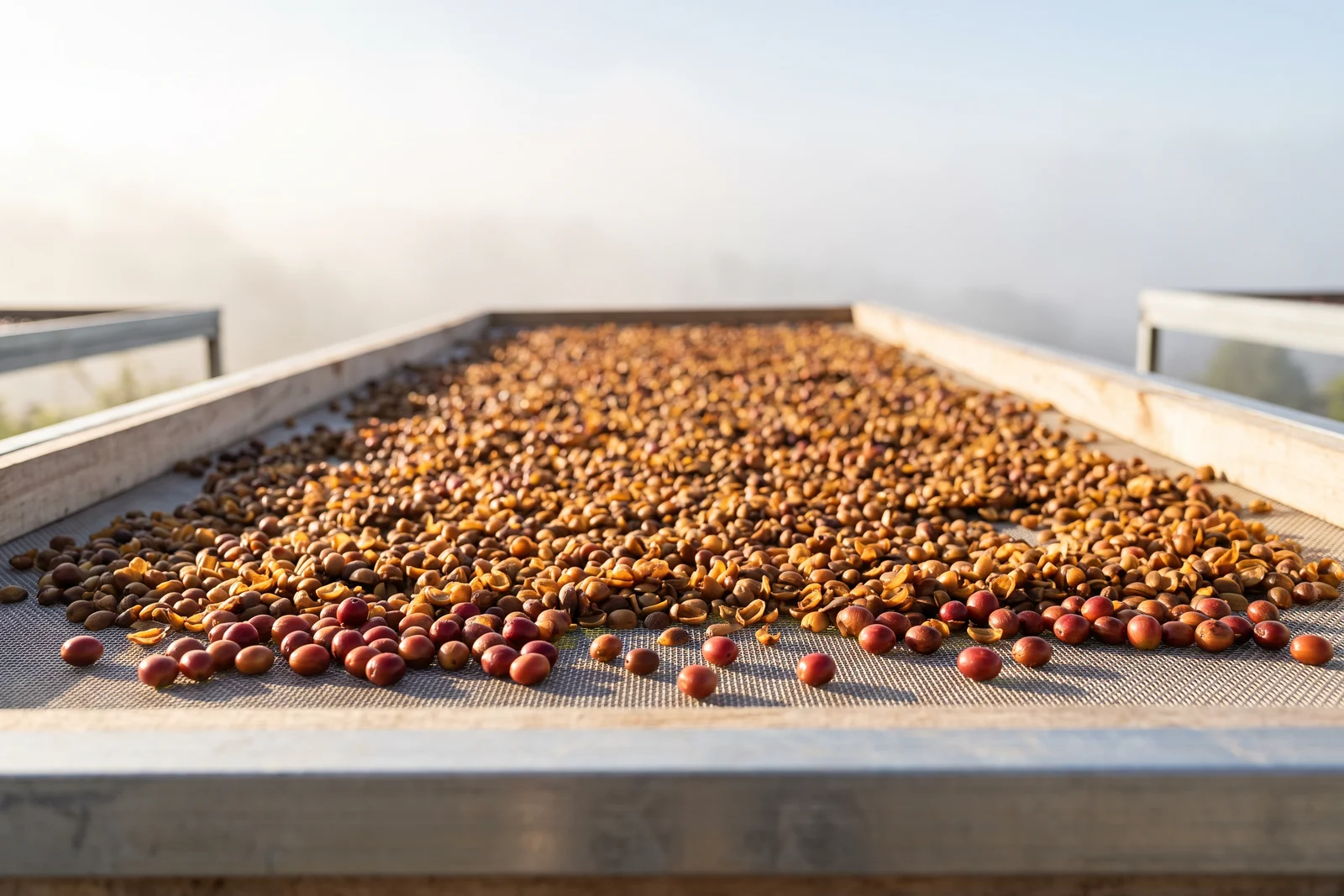
The outside of the coffee fruit.

Cascara

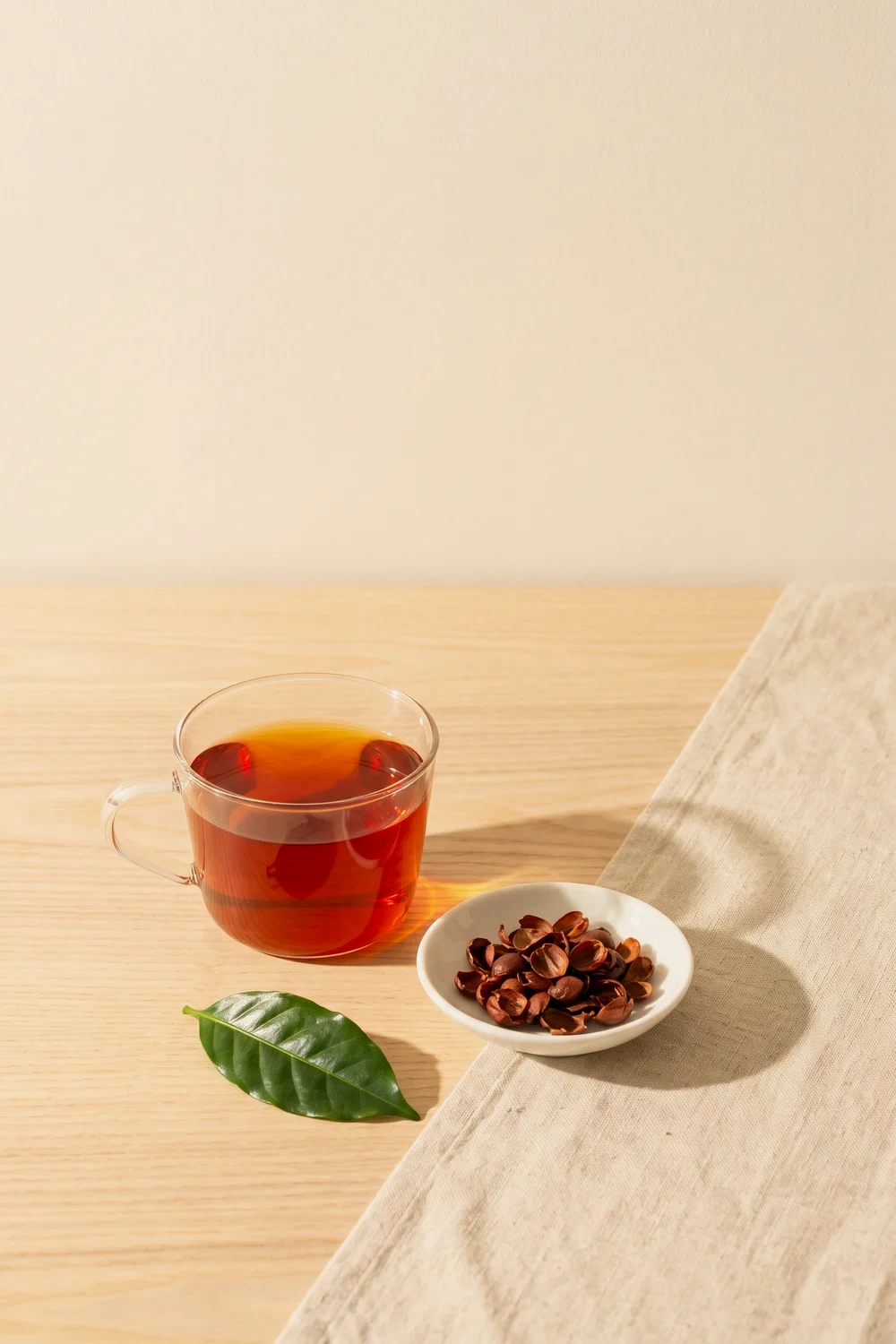
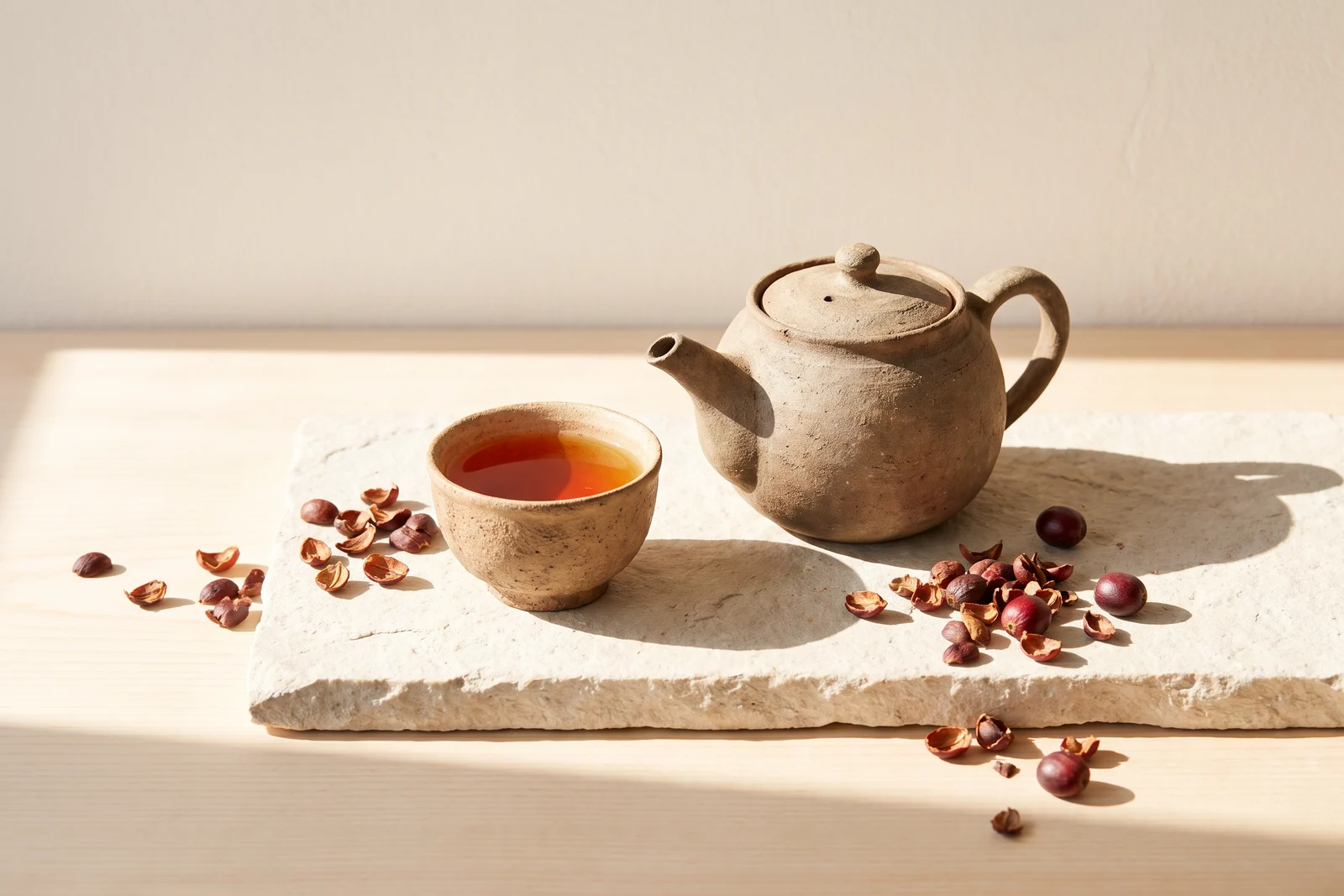
Coffee is a seed. The fruit around it used to stay in the field. Dried, it has the sweetness of dried fruit and a gentle tartness.

What it is
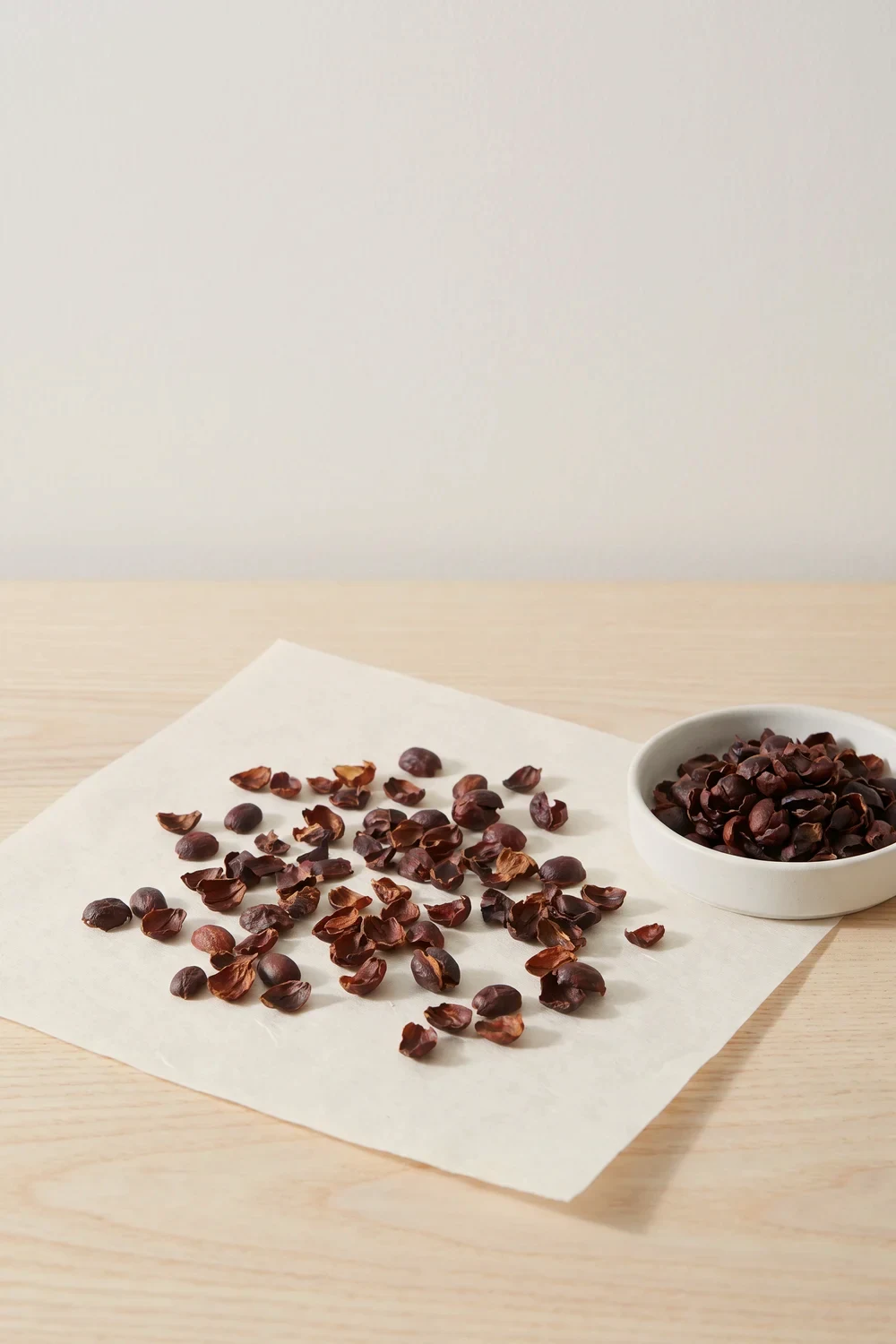
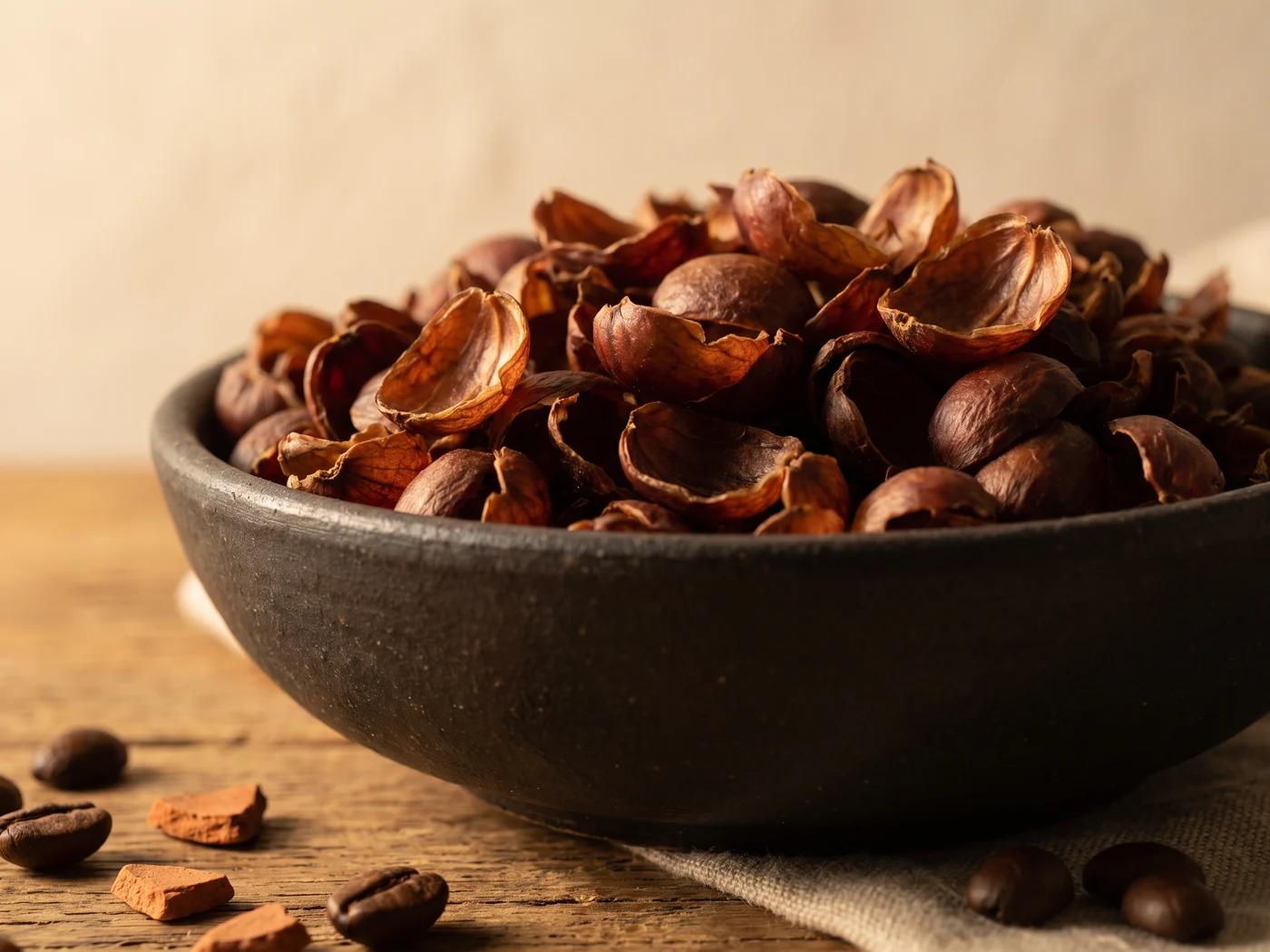
The dried skin and pulp of the coffee cherry
Notes
Dried apple / hibiscus tartness / brown-sugar finish
Caffeine
Less than coffee
Origin
Vietnam

The house is confirming supply. Sign up to be notified when it is ready.

About cascara — older than the cup of coffee

People brewed the fruit before they brewed the seed

The legend has it that when the goatherd Kaldi found the coffee cherry in ninth-century Ethiopia, nobody yet knew to roast the seed. The fruit was boiled whole. By the fifteenth century Yemen had qishr, the dried husk simmered with ginger and cinnamon, and it is still made at home there. The fruit, it is said, was preferred to the seed.
The other half, thrown away

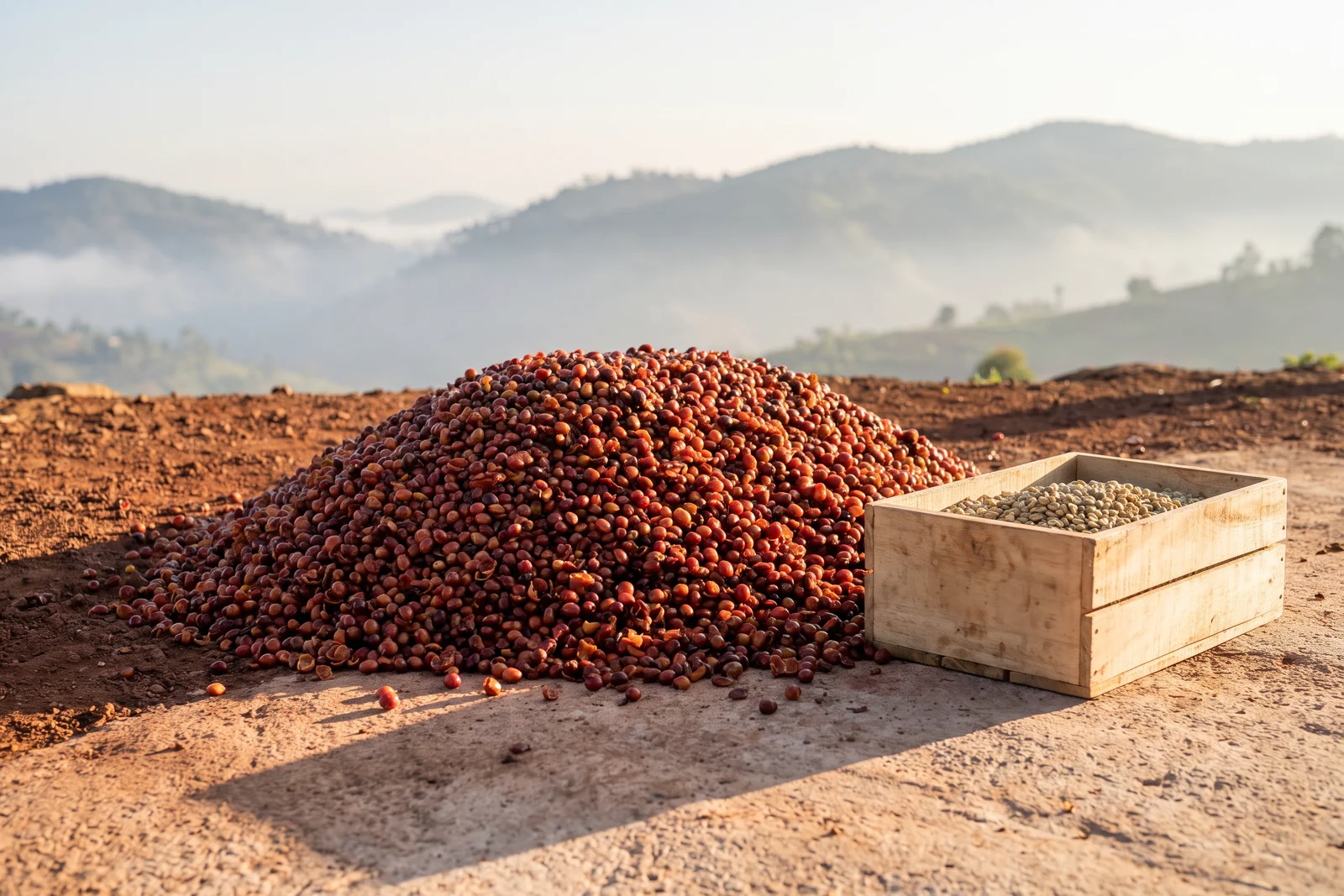
Take the seed out of a coffee cherry and roughly the same weight of skin and pulp is left over: about a tonne of fruit for every tonne of green beans. For a long time it was piled at the edge of the field or by the river, where it turned the water acid as it broke down and released methane. At origin it was, for a long time, an unsolved problem.

In 2005, in El Salvador, it got a name

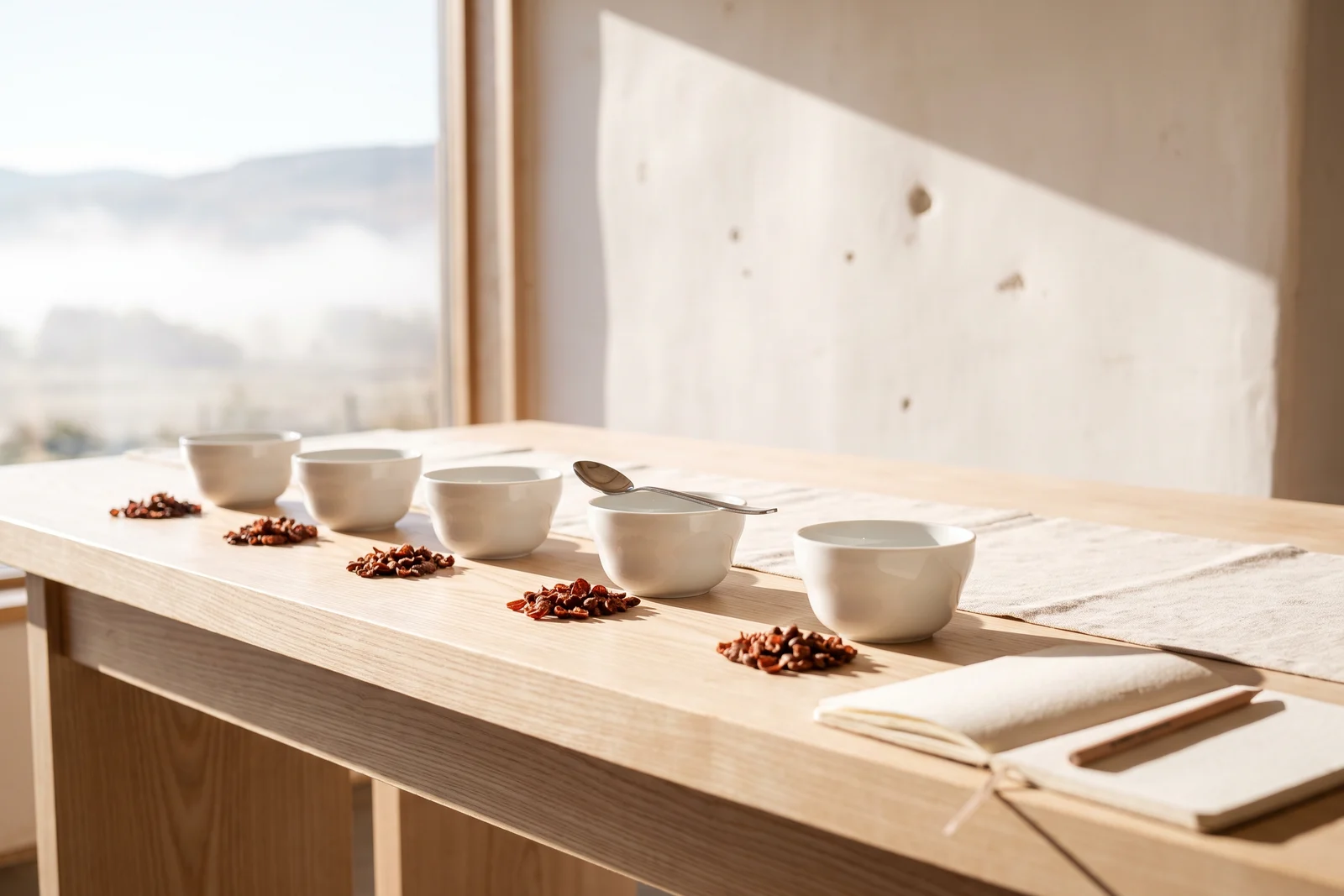
The Salvadoran producer Aida Batlle tasted the dried husk and found hibiscus and papaya in it. She washed and dried a batch properly and took it to a tasting, where it was taken seriously. That is when cascara — Spanish for husk — became the name of a drink rather than a waste product.

In Vietnam, now

On some farms in Lâm Đồng and Sơn La, cascara means picking only fully ripe cherries by hand and washing and separating the skin the same day; anything underripe muddies the cup. Processing now uses Japanese freeze-drying, and producers work with Japanese buyers on the finished tea, which has begun to cross the sea by the container. The first exports are only a few years old — as a drink, this is still new.

The way to brew

  1. 一

    3g, lowered into 200ml of water at 95°C.

  2. 二

    Four minutes. Then lift it out, quietly.

  3. 三

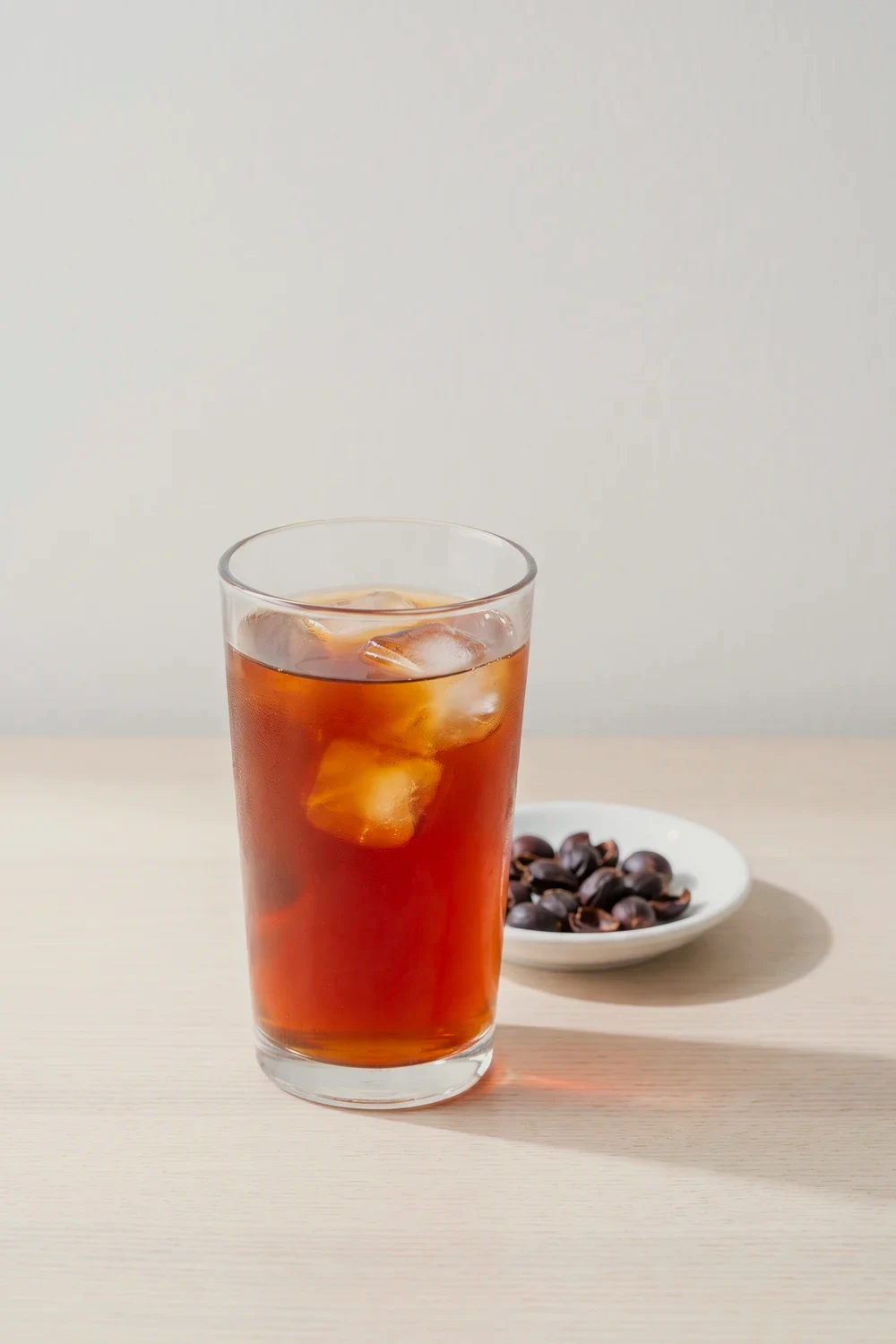
    Poured over ice, it turns the colour of summer.

  4. 四

    Night. For the hour when you want just one more cup.

Over ice, the colour of summer.
The dried outside of the coffee fruit.
Dried, the skin lets light through.

Other ways to drink it

Reduced, the sweetness of the husk becomes much clearer. A jar of syrup gives you a week of drinks.

一

Cascara syrup

Simmer 30g of cascara in 500ml of water for about ten minutes and strain. Stir in roughly the same weight of sugar as liquid (about 250g) until it dissolves, cool, and bottle. Two weeks in the fridge. For a spiced version, simmer a stick of cinnamon, two cardamom pods, two cloves and two slices of ginger with it.

二

Cascara craft cola

Ice in the glass, 40ml of syrup, 160ml of soda water. Squeeze in an eighth of a lemon and drop the peel in. Made with the spiced syrup, it comes close to cola. For summer afternoons, and for guests who drove.

三

Cascara soda

3g to 100ml of water at 95°C for four minutes — brewed strong, then poured over ice and 100ml of soda water. This is the one to make if you would rather skip the sugar.

Frequently asked

What is cascara?

The outside of the coffee cherry — the skin and pulp — dried. The seed inside is what gets roasted and becomes coffee. Same fruit, different part.

What does it taste like?

Dried apple and hibiscus, a gentle tartness, and a brown-sugar finish. It tastes like neither black tea nor barley tea.

Does it contain caffeine?

It does, but generally less than coffee.

How is it different from coffee?

A different part of the same fruit. Coffee is the seed; cascara is the skin and pulp around it, dried rather than roasted.

How do I brew it?

3g to 200ml of water at 95°C, four minutes, then lift it out. Over ice, it makes a cold drink for the summer.

Notify me

One letter only, when the house opens.
Thank you. When the fire is lit in the hearth, a letter will find you.
← 炉火園