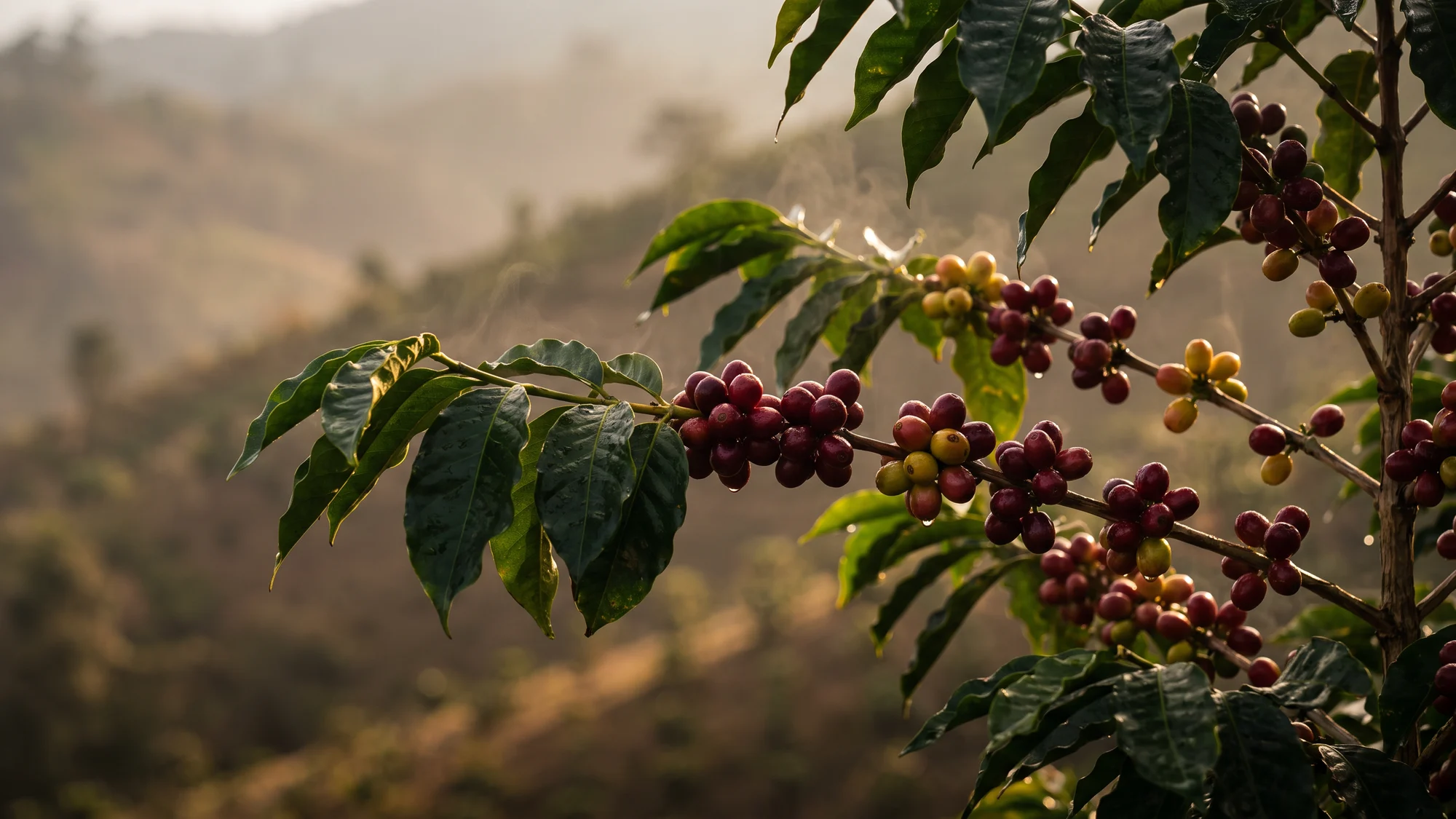
From the red soil to your morning cup.

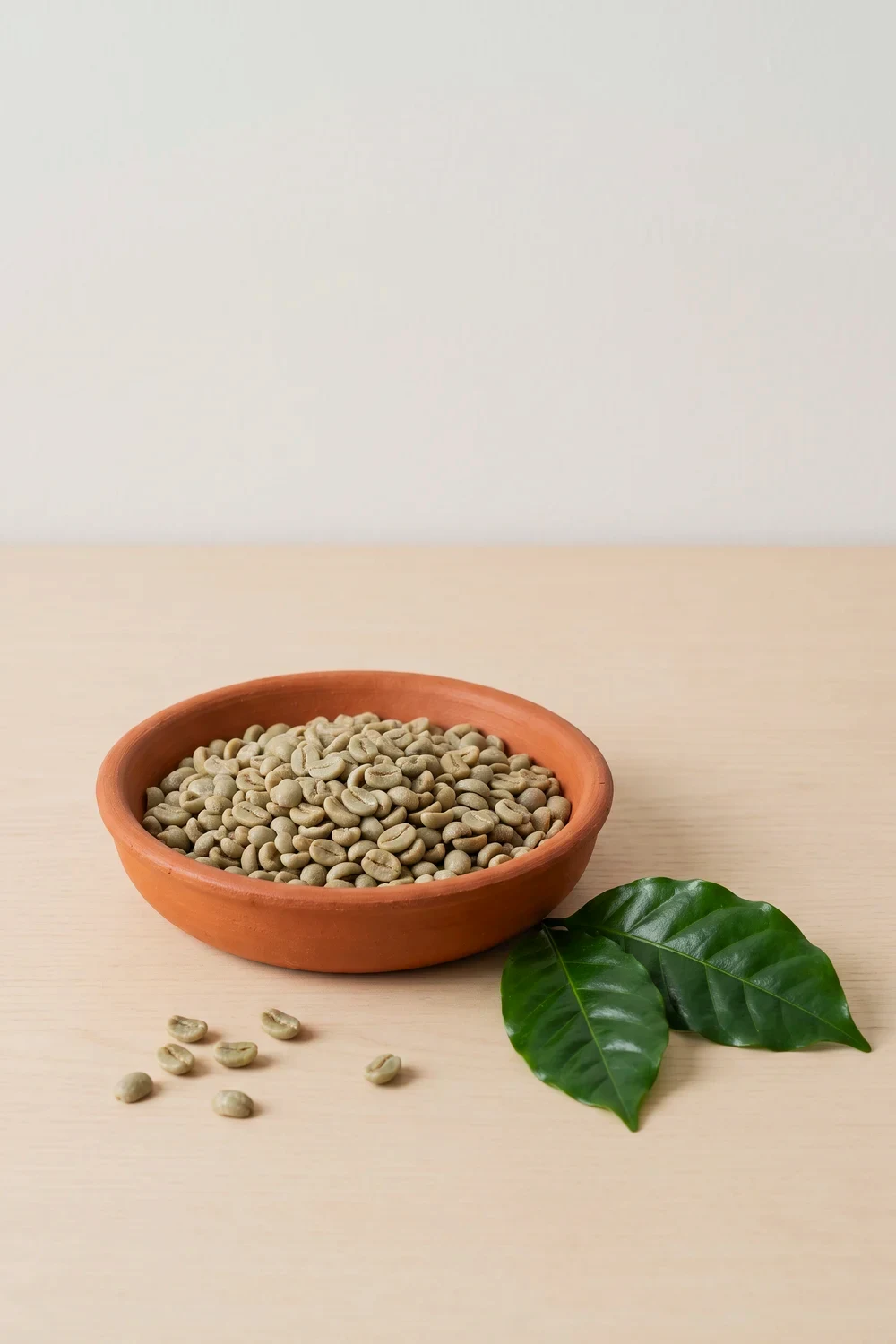
The house begins with observing the raw beans.
Lighting the fire comes later.
Chosen before anything is added —
just as they are.
Not the ones with a loud scent from the start.
But the ones that open quietly in the cup.
The house does not “create” flavor.
It only clears the path for the scent to wake up.
The gentle curve of the heat.
The steady ticking of minutes.
And the exact second to turn off the flame.
All of this is entrusted to a partner roastery in Japan,
to the quiet hands of their roasters.
炉 — Rokaen
The fire in the hearth is not a roaring blaze.
It is a steady, quiet warmth—
just enough to wake the scent inside the bean.
Four steps, so your morning can be still.
 一 受容
一 受容Resting
The raw beans are first left to rest.
To settle into the air of Japan after crossing the sea.
 二 炎
二 炎The Flame
Not to change what the bean is.
But to draw out the scent already sleeping inside it.
 三 静寂
三 静寂Stillness
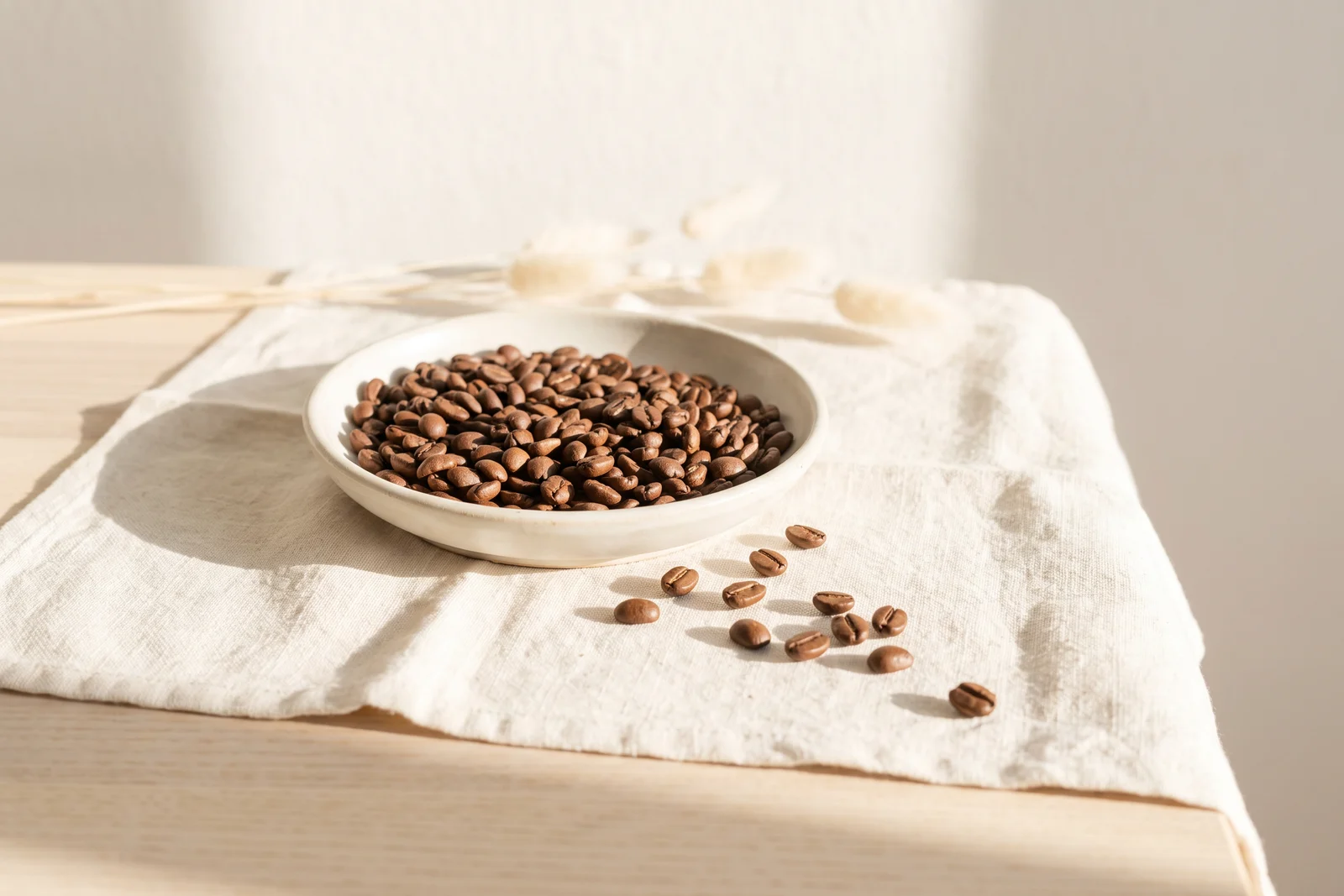
After the heat, another quiet pause.
Waiting for the roasted scent to settle and round out.
 四 封印
四 封印The Seal
Sealed into the bag, so the scent stays in —
the air of that day kept inside with it.
The taste in the cup stays the same. The wrapping outside moves with the seasons.
- The origin — Da Lat, Lâm Đồng, printed on every bag.
- Honey and washed processing, done at the farm.
- The roast level — guiding each new lot to the same familiar point.
- No additions — no flavouring, no oil, no sweeteners.
- The paper, the colour, the seal.
- Whatever fits the mood of the season.
- The photographs, and the choice of words.
The wrapping may change with the year. The cup does not.